A 5-minute guide for Westchester homeowners
Before You Buy a Water Filtration System, Read This.
What you need to know about your water, the equipment, and what you're really paying for. No scare tactics. No sales pressure.
Here's How It Often Goes
A water-treatment company offers you a free water test.
A salesperson comes to your house, fills a glass at your kitchen sink, adds a few drops, and the water changes color.
Then comes a long presentation about what's wrong with your water. Finally, you get a price. It's a lot more than you expected.
But there's a special discount if you sign today.
Now you're wondering:
- Is my water really that bad?
- Is this equipment worth the money?
- How would I even know?
Let's answer those questions.
01
Your Town Already Tests Its Water
If you're on municipal water, your supplier regularly tests it and publishes an annual water-quality report. You can look it up for free.
So why do some salespeople insist on testing it at your kitchen table?
Certain demonstrations react to ordinary minerals, turning water cloudy or changing its color. It looks alarming, but it doesn't necessarily mean your water is unsafe.
A scary-looking glass of water isn't a water-quality report.
When additional testing makes sense
- Private wells: Your water isn't routinely tested by a municipal utility. Start with a state-certified laboratory.
- Older plumbing: Lead can enter water through household plumbing or service lines, regardless of what your utility's report says. A laboratory test can check.
02
What About PFAS "Forever Chemicals"?
PFAS are long-lasting chemicals found in some drinking-water supplies, including in New York. Exposure to certain PFAS has been linked to serious health concerns.
The good news is that proven technologies can help. The EPA recognizes activated carbon and reverse osmosis as methods for reducing certain PFAS.
But not every filter removes the same contaminants. Look for independent certification covering the specific chemicals you want to reduce.
Start with your water supplier's published test results. Know what's in your water before deciding what to filter.
03
Water Filtration Is Simpler Than You Think
The brand names change. The science doesn't.
Most residential systems rely on a few proven technologies.
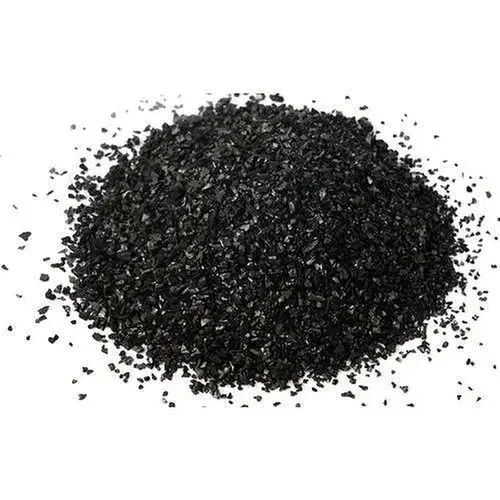
Activated Carbon
Reduces chlorine taste and odor, along with certain other substances depending on the filter. Same basic principle as many pitcher filters, just on a larger scale.
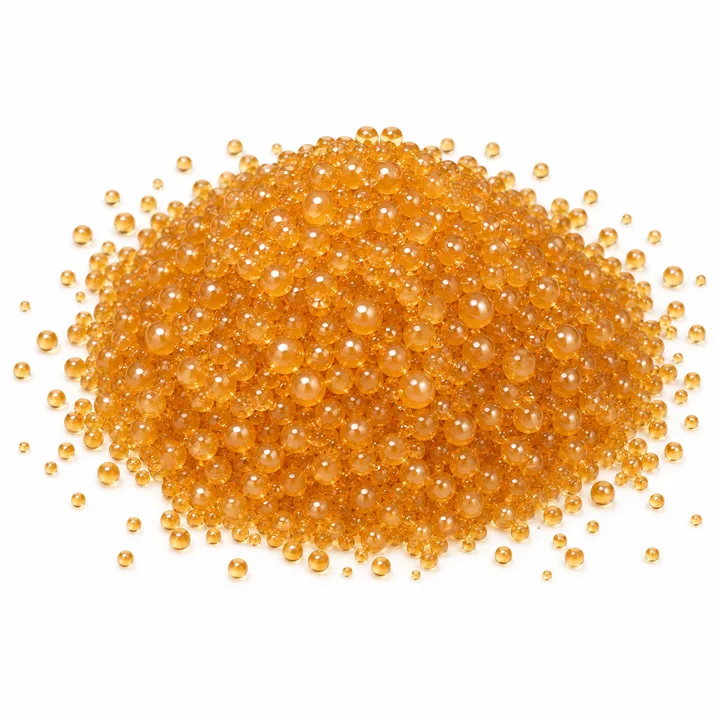
Softener Resin
Tiny beads that remove the hardness minerals calcium and magnesium. Salt regenerates the resin so it can keep working.
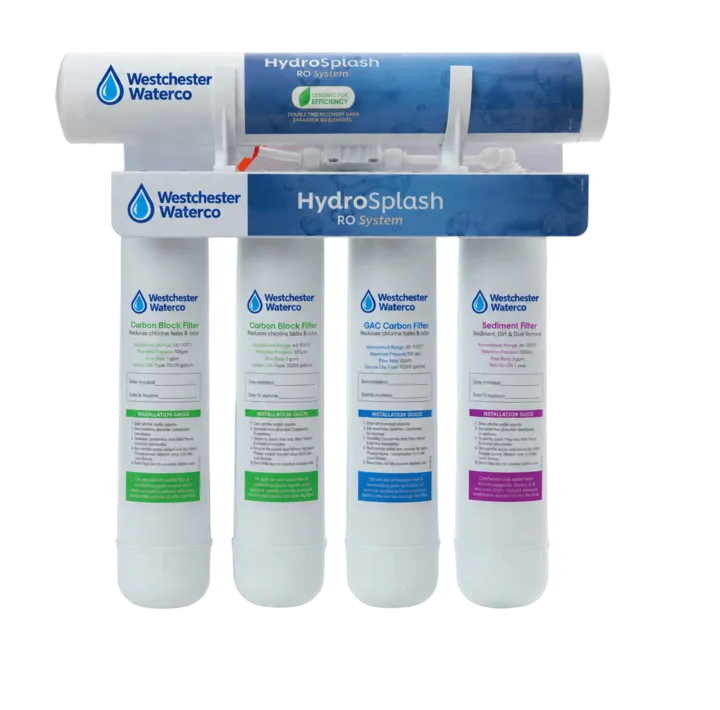
Reverse Osmosis (RO)
Uses a special membrane to provide additional filtration for drinking and cooking water. Fits under your kitchen sink.
These technologies have been around for decades. Expensive and affordable systems often use the same basic science.
What makes a difference? Equipment quality, proper sizing, professional installation, and long-term maintenance.
Nobody has reinvented carbon and resin. More filters don't automatically mean better water. Every component should have a purpose.
04
Why Better Water?
It's not just what you drink. It's the water you use every day.
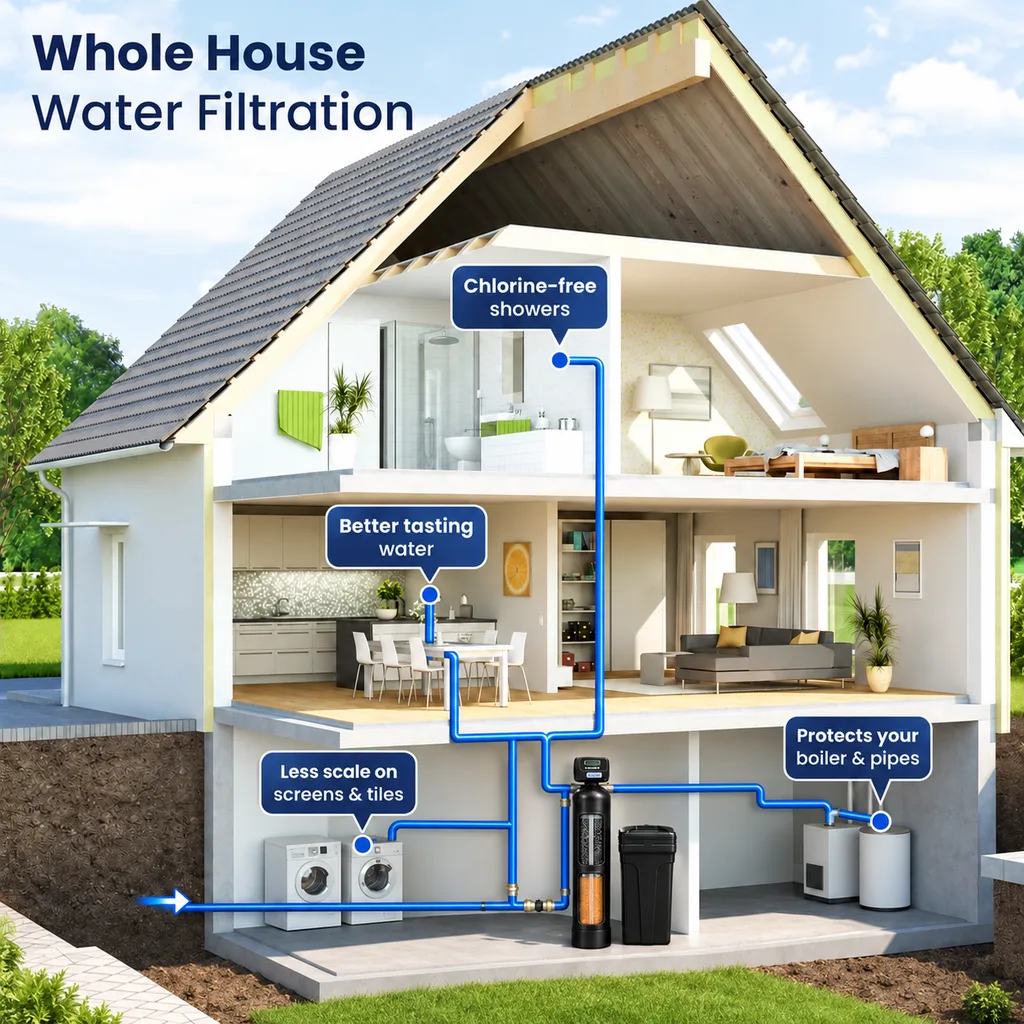
- Better-Tasting Drinking Water
- Enjoy filtered water straight from your kitchen faucet with an under-sink RO system. Less need to buy and carry bottled water.
- Less Chlorine Smell and Taste
- Whole-home carbon filtration helps reduce chlorine taste and odor at faucets and showers throughout your home.
- A Nicer Shower
- Many homeowners enjoy how softened water feels on their skin and hair, especially when washing with soap and shampoo.
- Fewer White Spots
- Softening reduces the mineral deposits that collect on faucets, showerheads, dishes, and glass doors.
- Help Protect Your Appliances
- Hard-water scale can build up inside water heaters, dishwashers, and washing machines. Softening helps reduce that buildup and related maintenance.
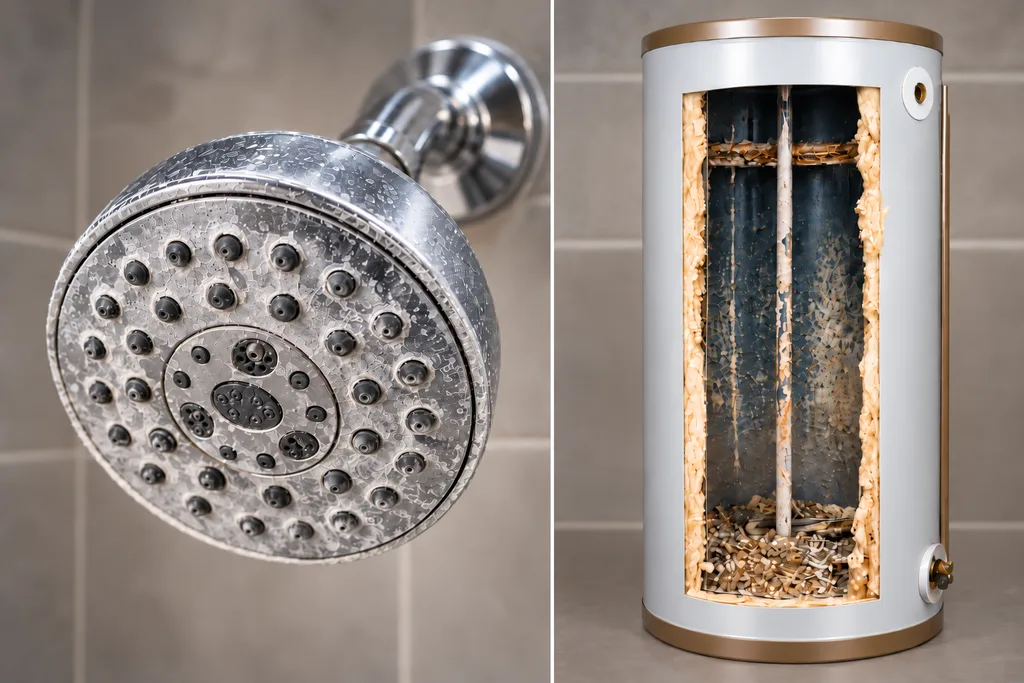
In a laboratory study conducted by Battelle, researchers found that hard-water scale can reduce water-heater efficiency, particularly at higher hardness levels. The benefit of softening depends on your water's actual hardness.
Sometimes the biggest difference is simply enjoying the water in your home more.
05
What Are You Really Paying For?
Two companies can sell systems that perform similar jobs and charge thousands of dollars apart.
Why?
Showrooms, advertising, commissioned salespeople, in-home presentations, and multiple layers of distributors all cost money. Those expenses can end up in the price you pay.
To be fair, many premium brands make excellent equipment.
But it's worth asking:
Am I paying more for better equipment and service, or for the way it's being sold?
Our approach is simpler: competitive sourcing, proven components, upfront pricing, and professional installation.
Our Posted Installed Prices
$3,399 — Complete Municipal Water Package
Whole-home carbon filtration, water softening, and under-sink reverse osmosis. All three systems included, professionally installed.
Starting at $4,399 — Private Well Water Systems
Custom treatment based on your water's laboratory results. Final equipment and price depend on your water conditions.
$1,199 — Under-Sink Reverse Osmosis Only
A standalone drinking-water system, professionally installed. No whole-home equipment included.
Standard installation included. Any unusual plumbing modifications or additional work will be explained and quoted before you commit.
The Price Is Only the Beginning
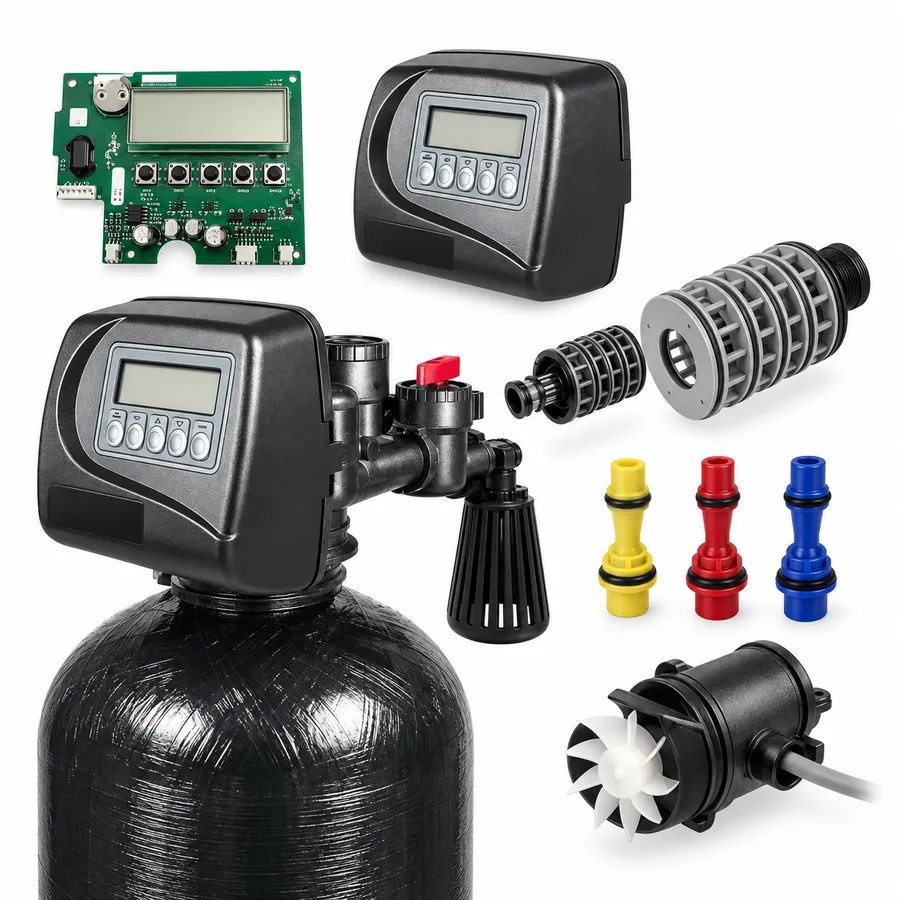
What happens if your system needs a repair five years from now?
Some equipment uses brand-specific components that can limit your repair options or make replacement expensive.
We use well-established Clack control valves, with replacement parts available through our supplier. Technicians familiar with Clack equipment can service them.
Every system requires maintenance, including softener salt, drinking-water filter changes, and periodic carbon replacement. The frequency and cost depend on the equipment and your water usage.
The cheapest system to buy isn't always the cheapest to own. And the most expensive isn't always the best.
06
Eight Questions to Ask Any Water Company
Including us. A good company should answer every one clearly.
01Can I see the price before an appointment?
You shouldn't need a two-hour sales presentation to get a price.
Our answer
Yes. Our complete municipal package is available for $3,399 installed, including carbon filtration, water softening, and under-sink RO. The installed price is posted right on our website.02Will the price change if I don't sign today?
Be cautious of discounts that disappear when the salesperson leaves.
Our answer
No sign-today deals or pressure to buy.03What does your water test actually measure?
A color-changing demonstration isn't the same as a laboratory analysis.
Our answer
We use published municipal water reports as a starting point and recommend independent laboratory testing for private wells.04What equipment am I actually getting?
Every component should have a purpose.
Our answer
Our municipal package, $3,399 installed, combines whole-home carbon filtration, water softening, and under-sink RO. Three proven technologies, each doing a different job.05Why does your system cost more than a cheaper one?
Make sure you're comparing equivalent equipment and services.
Our answer
Our price includes three treatment systems and professional installation. Compare the complete package: capacity, components, warranty, and maintenance—not just the price of an individual filter or softener.06Can someone else repair it?
You shouldn't have to replace an entire system because one component fails.
Our answer
We use Clack control valves with accessible replacement parts. Qualified technicians familiar with Clack equipment can service them.07What will maintenance cost?
The purchase price is only part of what you'll spend.
Our answer
We'll explain the expected salt usage, filter changes, and carbon replacement requirements for the equipment you're considering.08Who installs the equipment?
Even good equipment needs to be installed correctly.
Our answer
We work with licensed, bonded and insured plumbers and will identify the installation company before you commit.
If a company can't give you straightforward answers, keep shopping.
Why I Started Westchester Water Co.
I believe quality water filtration should be affordable for more Westchester families.
My background in manufacturing, product sourcing, and direct-to-consumer sales taught me how much of a product's price can come from middlemen, commissions, and overhead rather than the equipment itself.
When I saw the high-pressure sales tactics, confusing prices, and unnecessary markups in the water-treatment industry, I knew there was an opportunity to do things differently.
That's why I started Westchester Water Co.
Proven equipment. Fair prices. Professional installation. No sales games.
Domenick Filopei, Founder
Ready for Better Water?
Explore our systems, compare prices, or just ask a question. No lengthy sales presentation. No pressure to buy.
See Our Systems & PricesNot sure what you need?
Ask Us a Question